Seeing a corpse or dead figure
A body in the dream can make an ending visible. Ask what role, habit, bond, or self-image has become lifeless or no longer responsive.
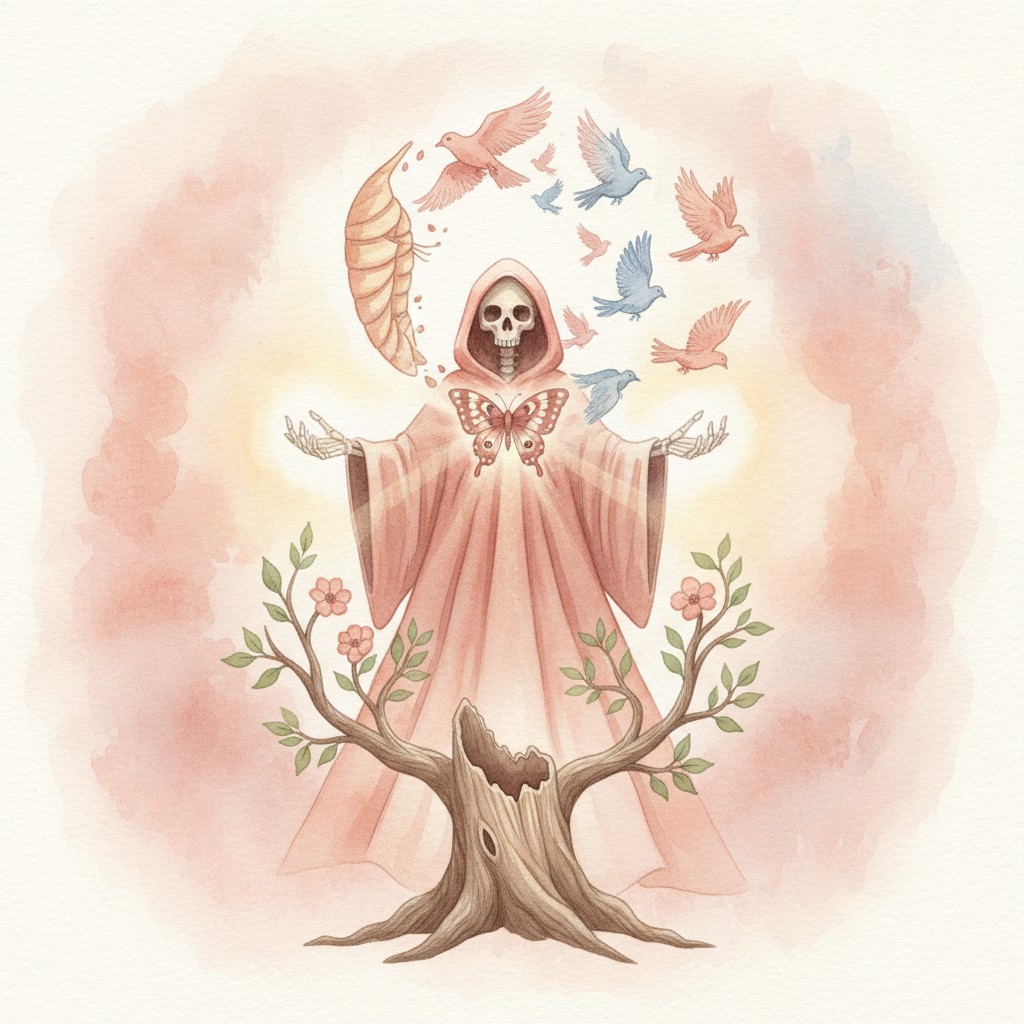
When death appears in a dream, the image is usually louder than the meaning. A corpse, funeral, shadow, or underworld scene may be staging an ending before waking life can name it.
Treat these dreams gently. Ask what is ending, what is being avoided, and whether the dream felt final, ritualized, frightening, peaceful, or transformative.
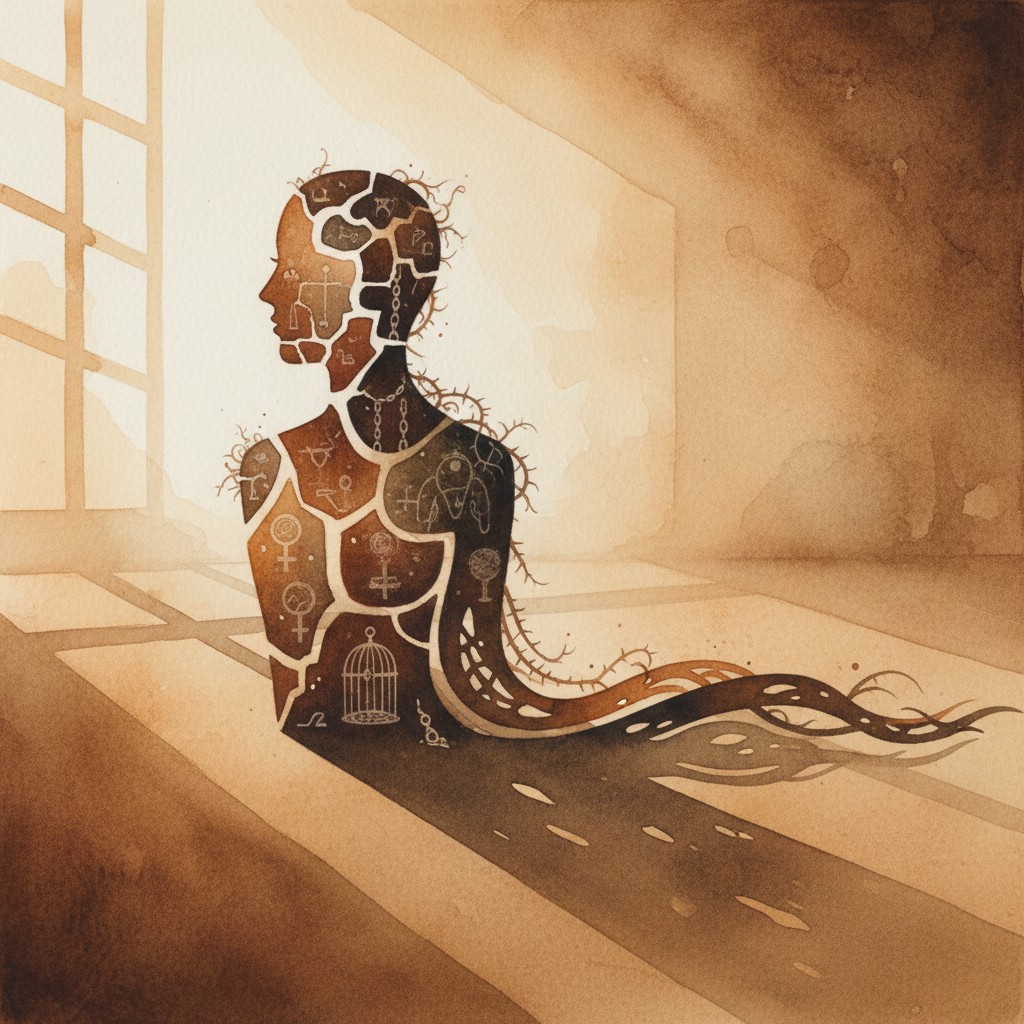
Death imagery can appear when a role, habit, relationship pattern, or self-image is already changing but has not been consciously recognized.
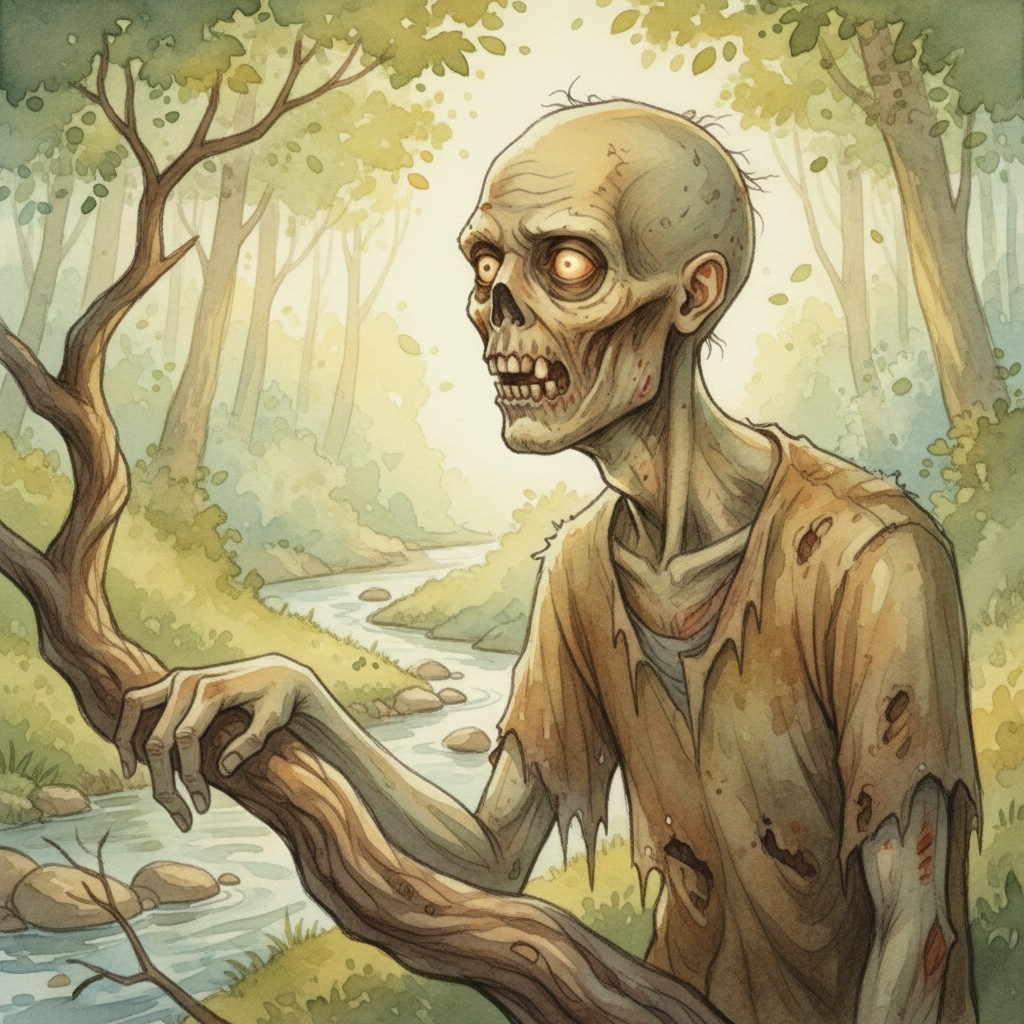
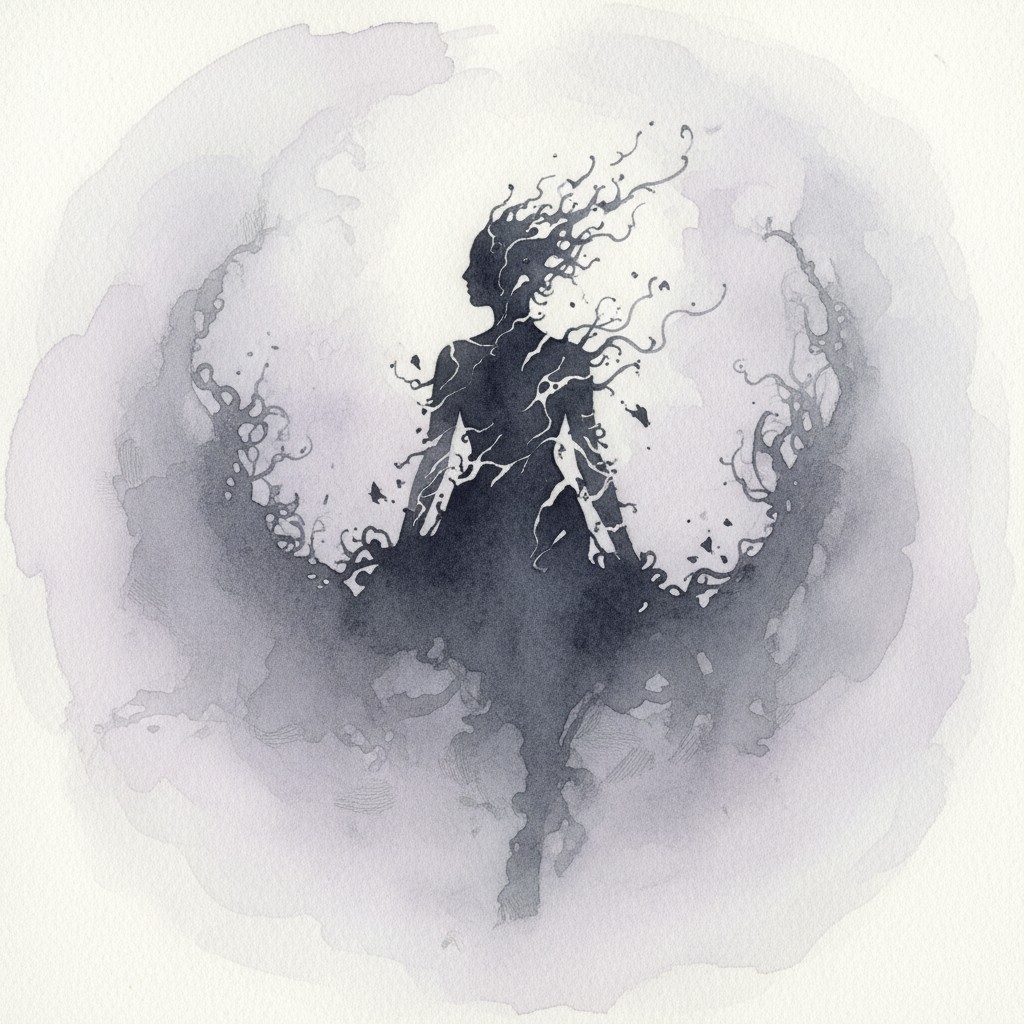
Dark figures and underworld places often carry traits, fears, or memories that have been pushed outside the preferred self-image.
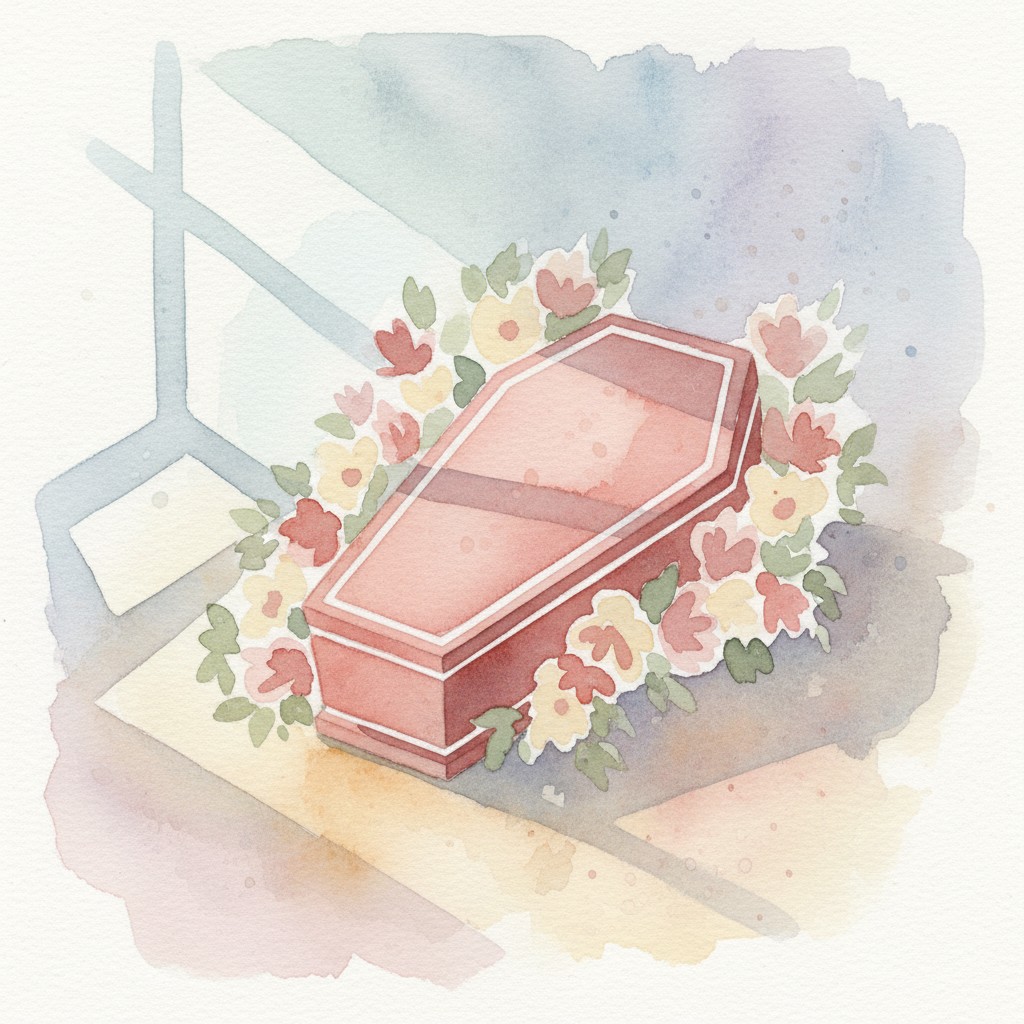
Funeral scenes may not be only about loss. They can show the psyche making a formal place for something that needs to be released.
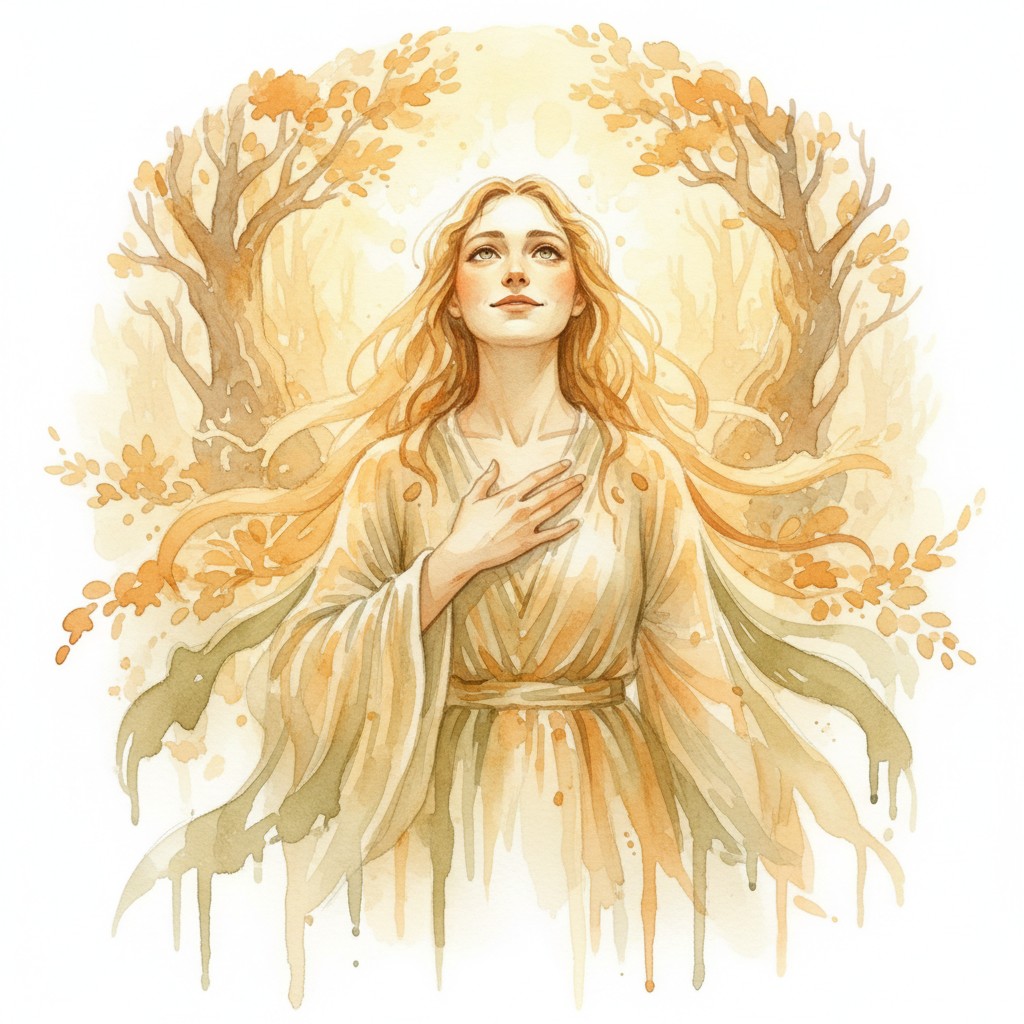
Death dreams need careful reading. They usually speak in images of ending, release, fear, and transformation rather than literal prediction.
A body in the dream can make an ending visible. Ask what role, habit, bond, or self-image has become lifeless or no longer responsive.
A funeral gives form to release. It may show grief, but it can also show that the psyche is ready to place something in the past.
Shadow figures often carry material that does not fit the preferred self-image. Fear is important, but so is the information the figure brings.
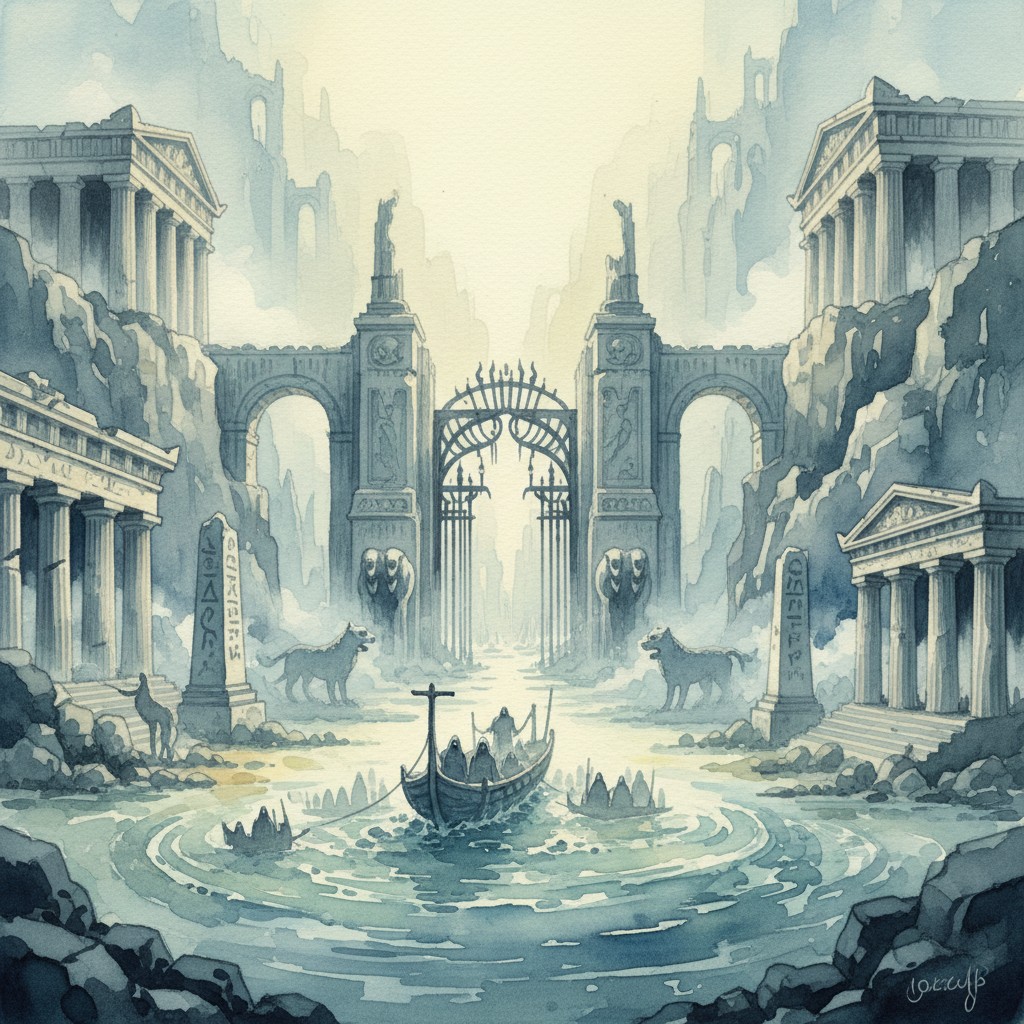
Underground and threshold scenes point to contact with material below ordinary awareness. They ask for slowness, respect, and emotional safety.
Keep the record grounded and gentle. Name the image, the feeling, and the possible ending without treating the dream as a literal forecast.
Name what ended in the dream, then name what might be ending more quietly in waking life.
No sign-in needed
Start writing in the browser. You can publish anonymously, then sign in later if you want to save and manage it.