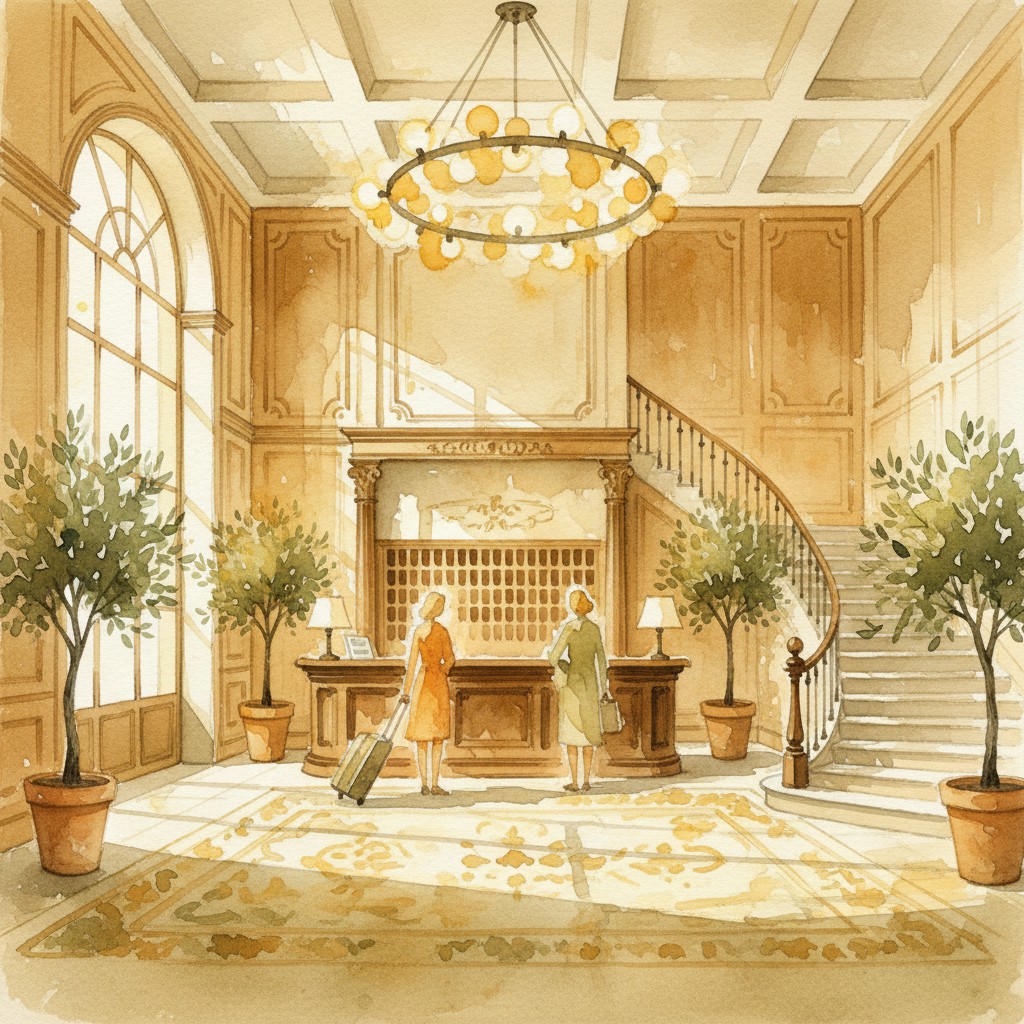
Unknown rooms in a familiar house
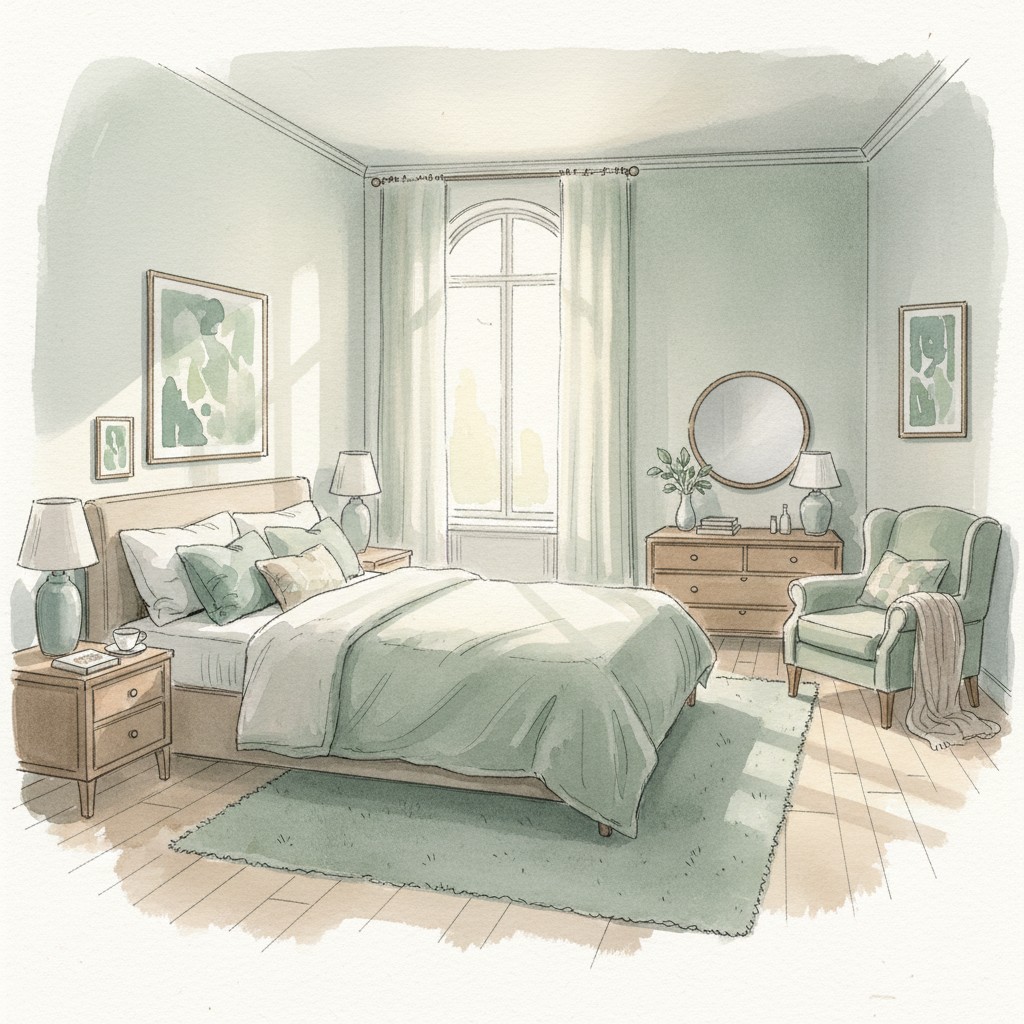
A new room inside a known home suggests a part of the self, memory, or capacity that has been present but not fully explored.
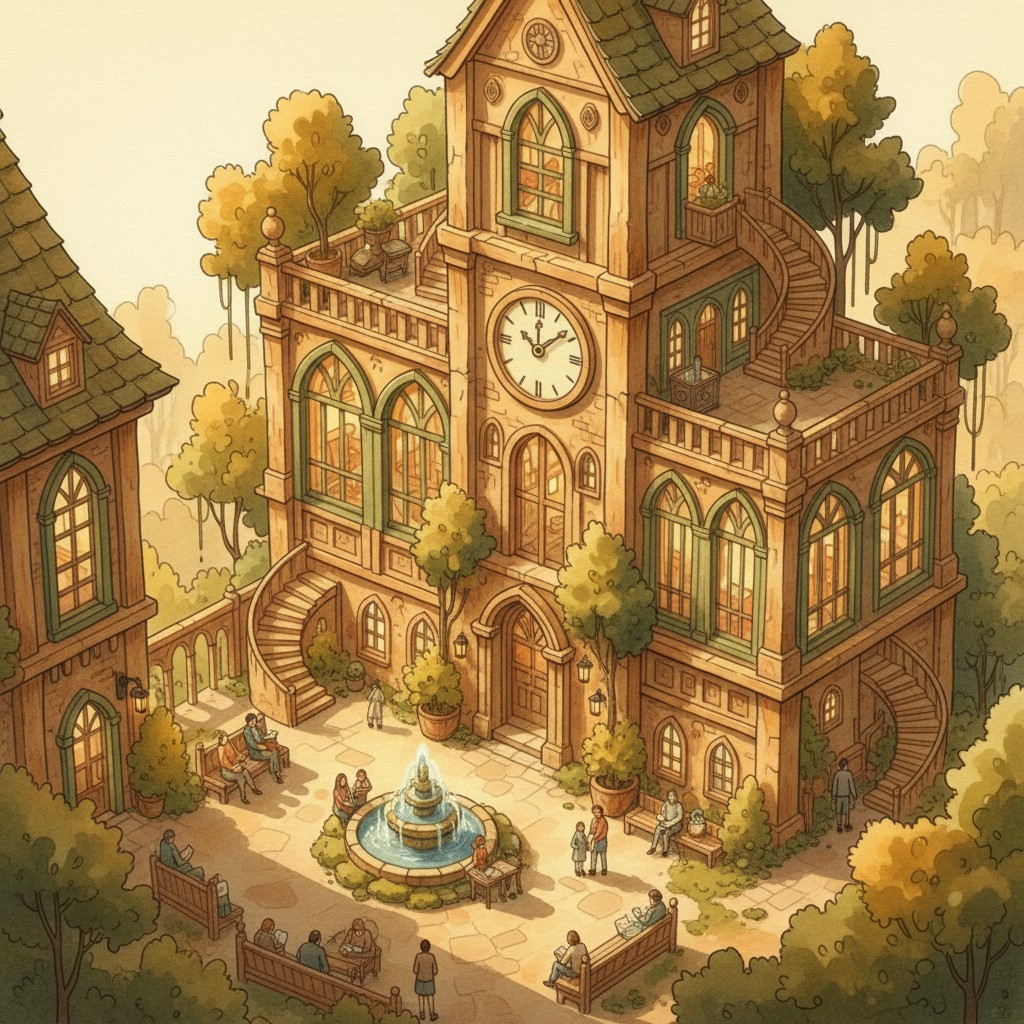
A building gives the dream a structure to move through. Each room can hold a different role, memory, or boundary, while elevators and stairs change the level of attention.
Do not treat every room as one symbol. Notice where you could enter, where you were blocked, and which part of the building felt most alive.
Rooms often organize parts of the self: privacy, social life, rest, exposure, work, and memory.
Elevators, balconies, and upper floors can show shifts in perspective, status, or access to hidden layers.
Locked doors and walls make boundaries visible. They may protect, restrict, or ask for a different entrance.
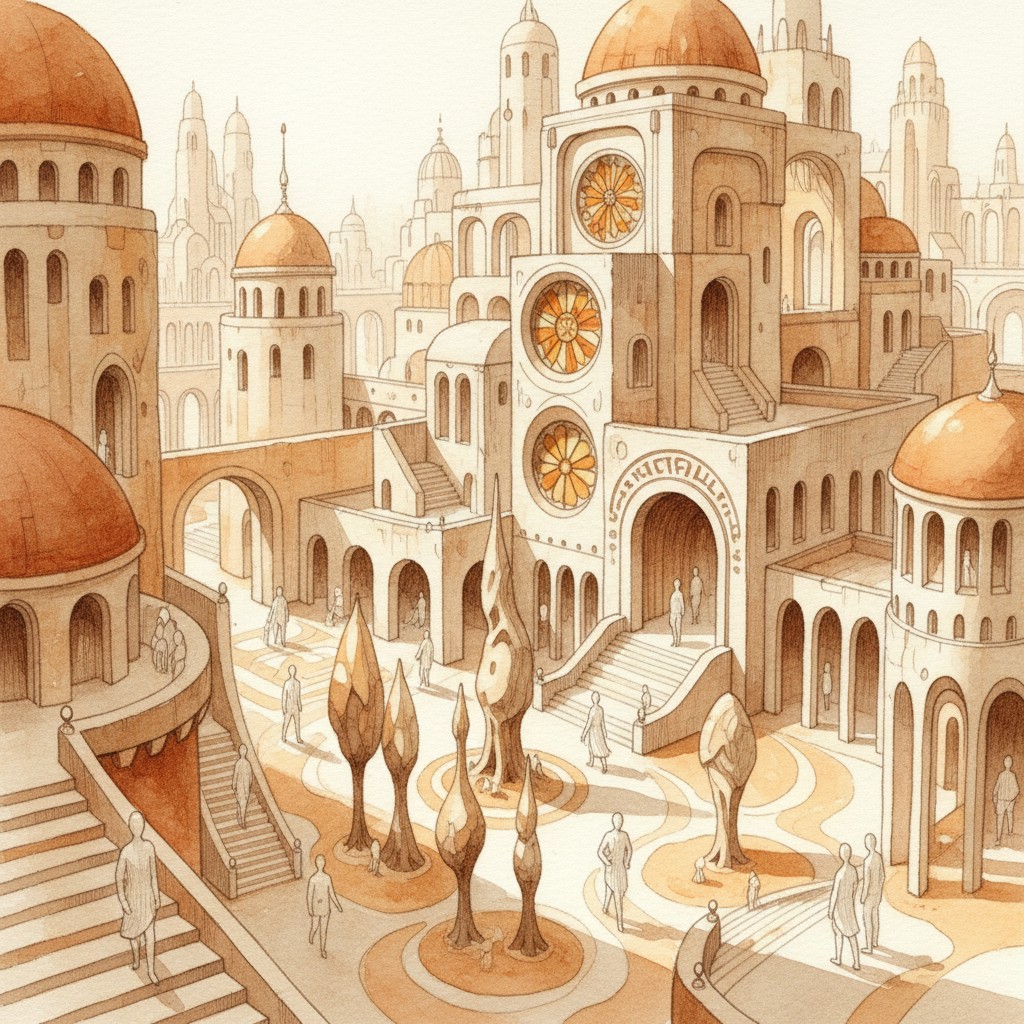
Buildings give dreams a map. Rooms, locked doors, stairs, elevators, and unfamiliar interiors often show how the self is organized right now.
A new room inside a known home suggests a part of the self, memory, or capacity that has been present but not fully explored.
Blocked passages make boundaries visible. They may protect something, restrict access, or show that another route is needed.
Vertical movement changes level of attention. Going up, down, or getting stuck between floors can show shifts in perspective and access.
Temporary or public spaces often point to identities you inhabit for a season: work roles, social roles, travel states, or transitional selves.
Treat the building as a diagram. The layout often explains the emotional structure better than the plot alone.
Sketch the building from memory and label the room that carried the strongest feeling.
No sign-in needed
Start writing in the browser. You can publish anonymously, then sign in later if you want to save and manage it.