Floods and rising water
Rising water often shows feeling that has exceeded its usual container. The question is not only what emotion is present, but what boundary could no longer hold it.
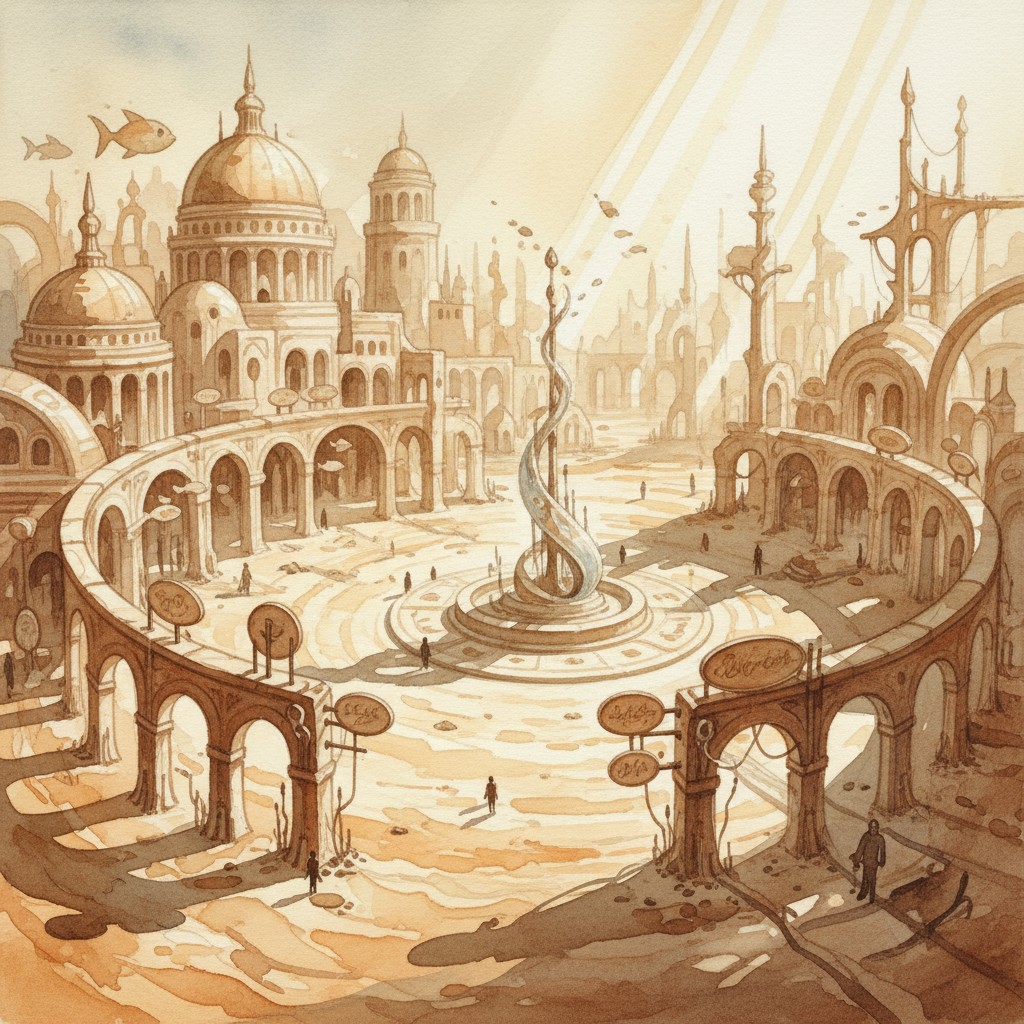
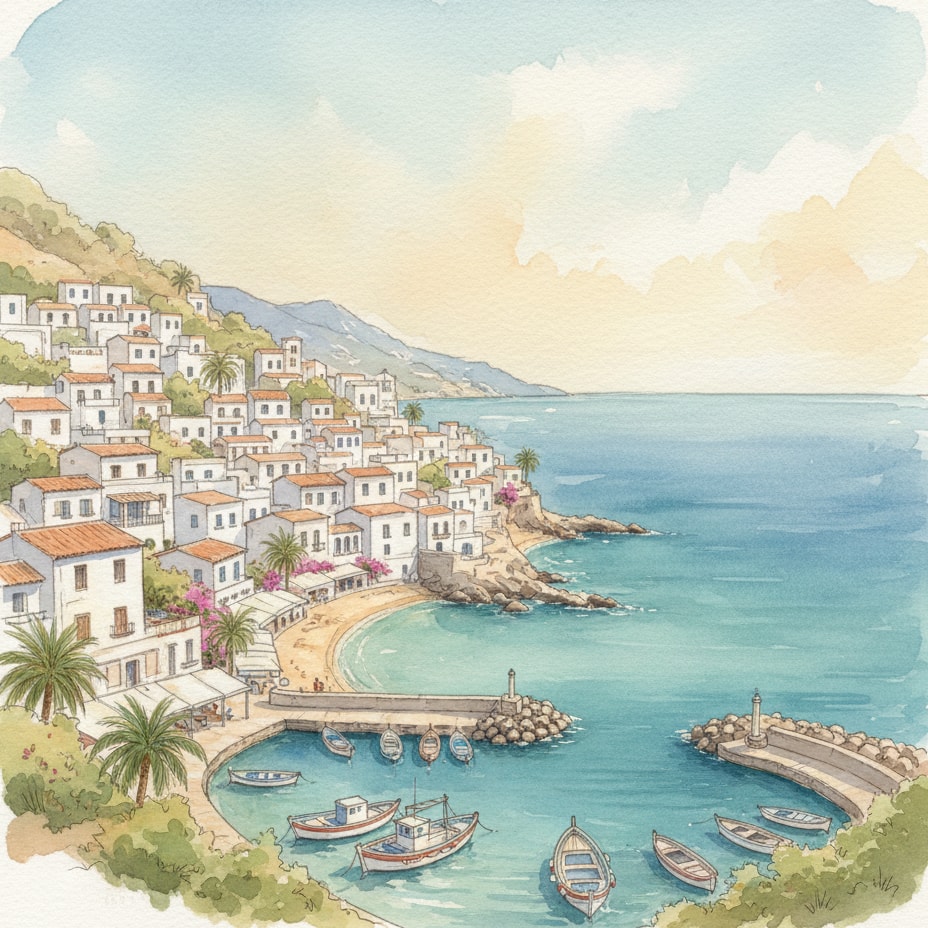
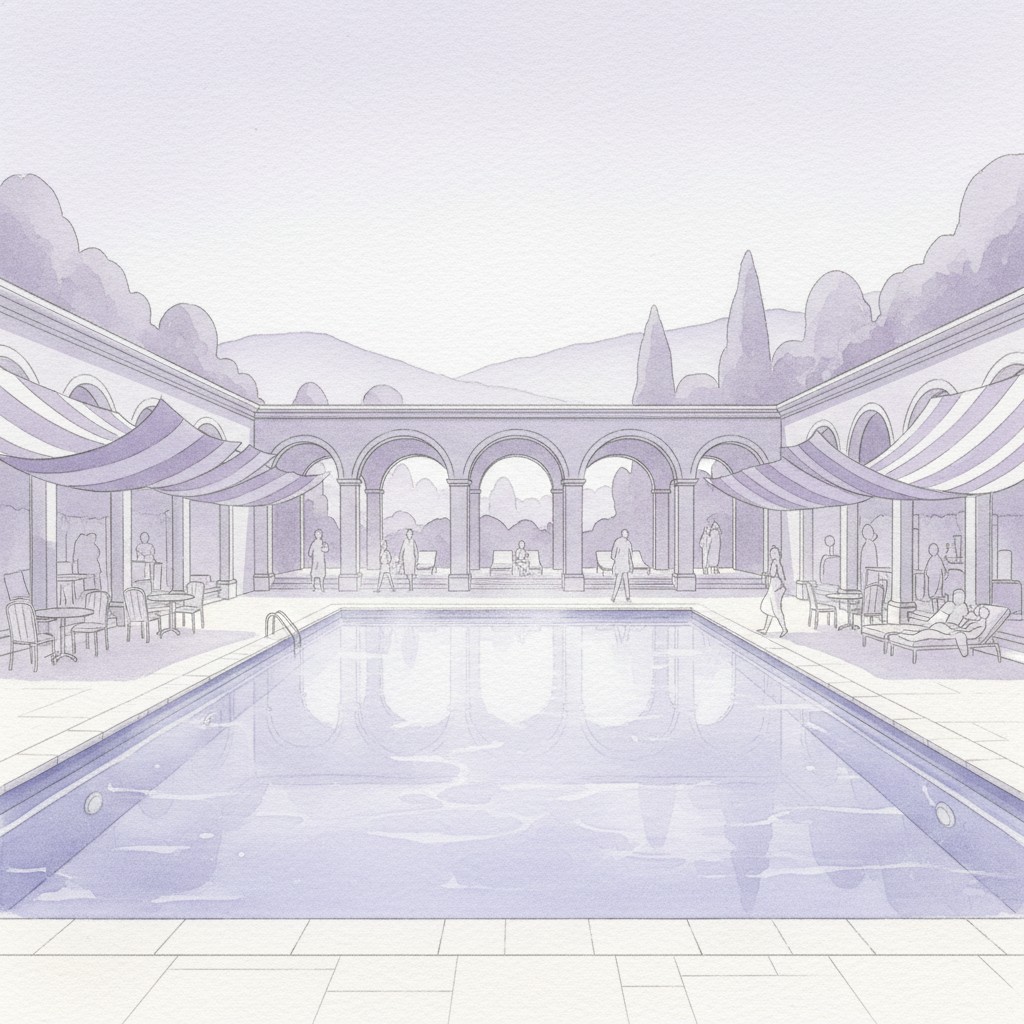
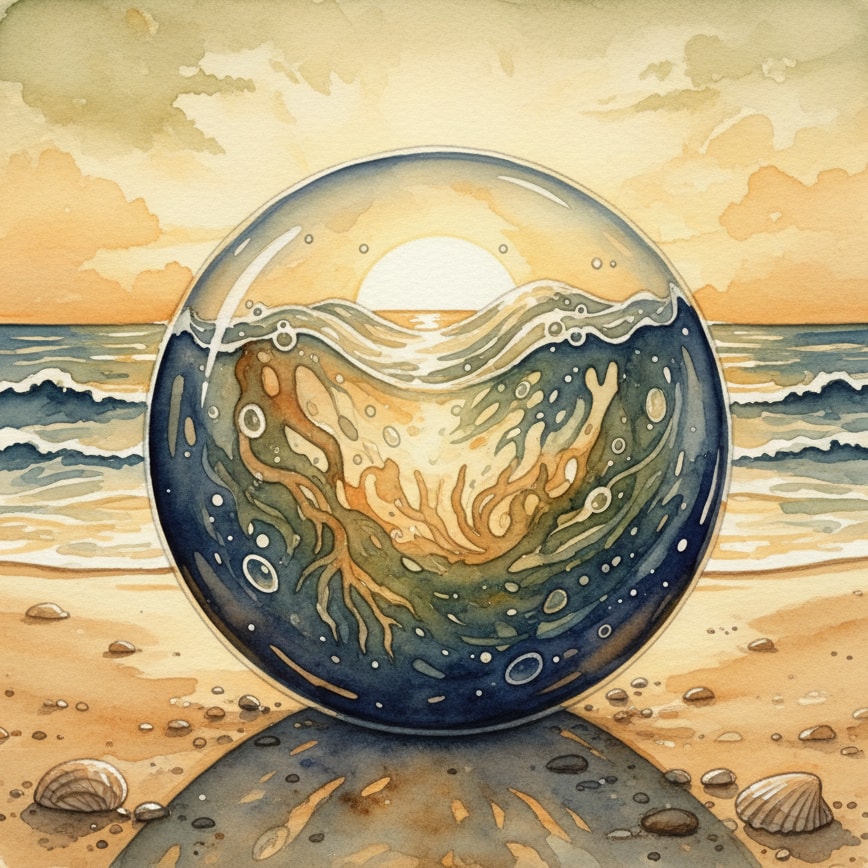
Water is rarely just scenery in a dream. It changes the rules of space: a road becomes a river, a room becomes a pool, rain erases a boundary, or the sea turns the dream into something too large to manage by force.
Start with the water's condition. Clear water usually asks a different question than floodwater, seawater, rain, or a reflective pond. Then notice whether you entered it, crossed it, watched it, or were trapped by it.
Water often gives feeling a visible shape. Calm water may hold acceptance or stillness, while rising water can show pressure that has outgrown ordinary containers.
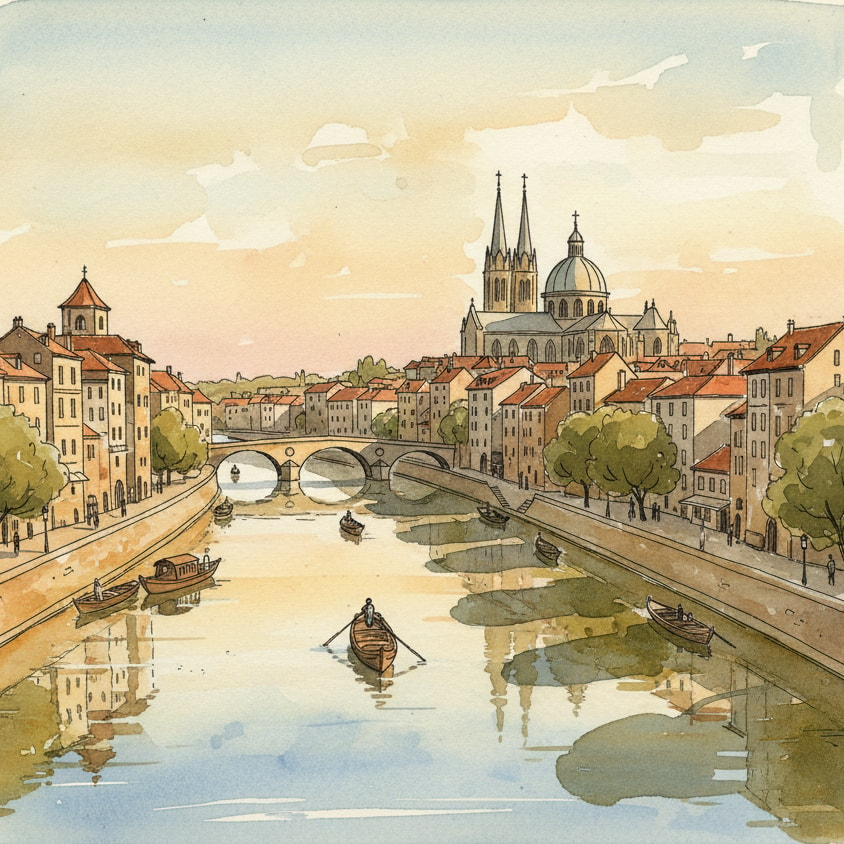
Rivers, rain, and pools can mark transition. The dream may be less about the water itself than about whether you can pass through it without losing your bearings.
Deep water and reflective surfaces point toward material that cannot be read by logic alone. They ask for patience, not instant decoding.
Water dreams are easier to read when you notice whether the water contains you, carries you, cleans you, or threatens to overwhelm the ordinary shape of the scene.
Rising water often shows feeling that has exceeded its usual container. The question is not only what emotion is present, but what boundary could no longer hold it.
A river, sea, or crossing scene can mark transition. Notice whether you chose to enter, were pushed in, or stood watching from the edge.
Contained or clear water often points to reflection, rest, cleansing, or a feeling that can finally be approached without panic.
Deep water and mirror-like surfaces suggest material beneath ordinary language. They ask you to stay with the image instead of rushing toward a fixed answer.
Write the water as if it were an active figure in the dream. Its color, depth, movement, and boundary usually carry the emotional logic of the scene.
Write the water as a character: its color, depth, movement, and what it allowed or prevented.
No sign-in needed
Start writing in the browser. You can publish anonymously, then sign in later if you want to save and manage it.