A known pursuer
When the pursuer is someone recognizable, the dream may be staging an unresolved bond, obligation, memory, or conflict rather than a simple external threat.
A chase dream turns attention into motion. You may run through streets, corridors, tunnels, or locked rooms, but the emotional engine is the same: something wants contact before you feel ready.
Do not begin with the pursuer's identity. Begin with your strategy. Did you hide, fight, ask for help, freeze, or finally turn around?
The chase often gives avoidance a body. The dream may be showing the cost of staying ahead of a feeling, decision, or memory.
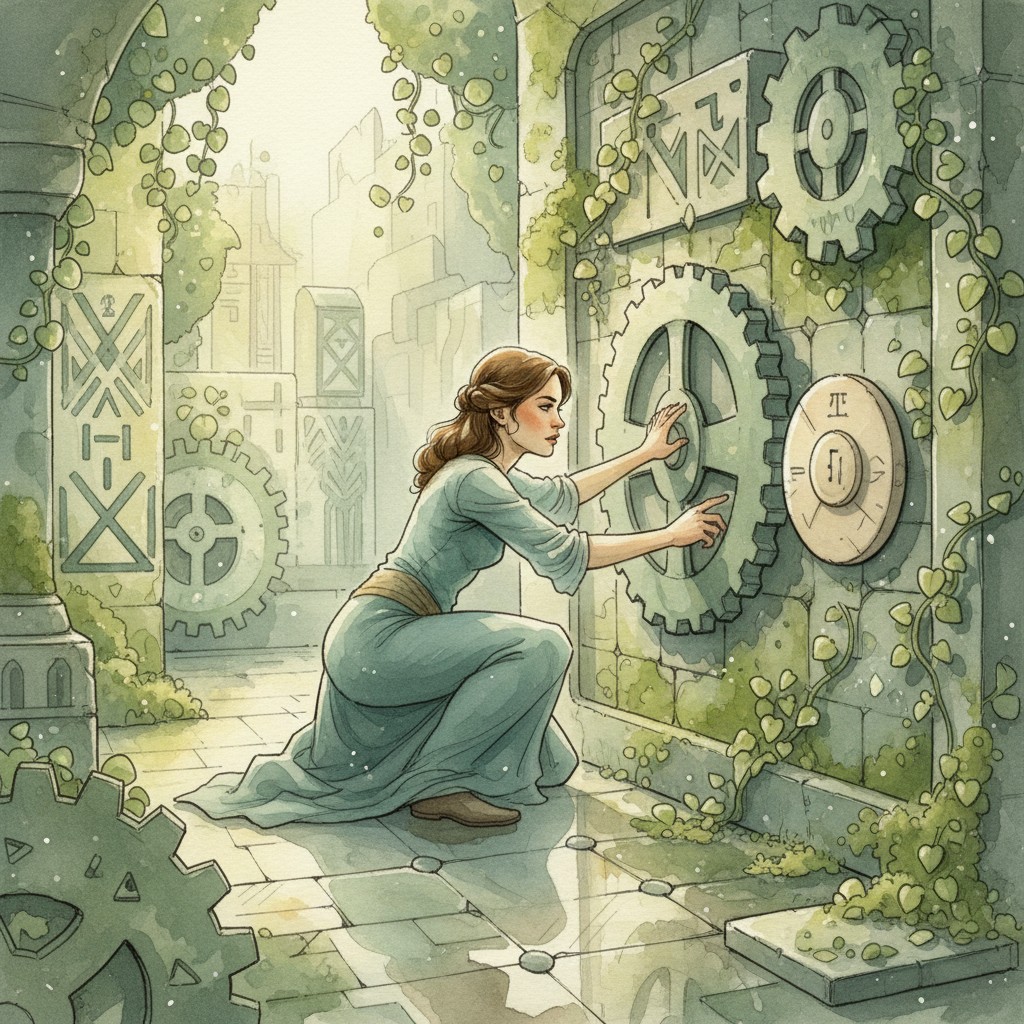
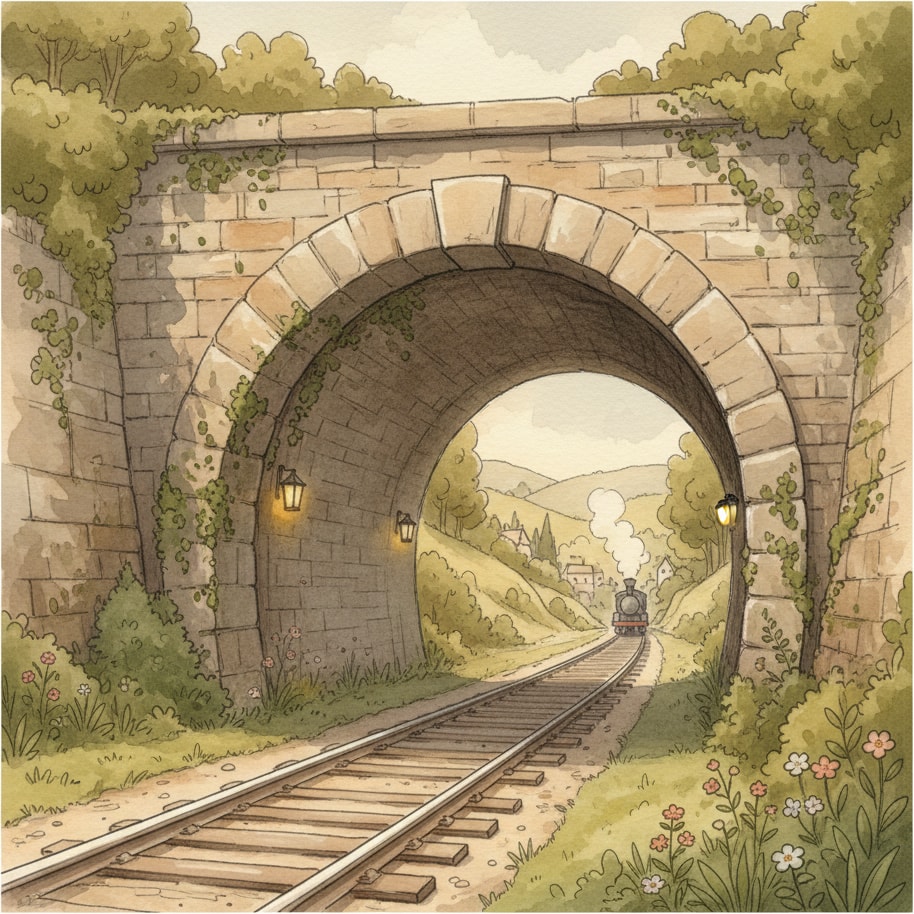
Locked doors, tunnels, and escape rooms suggest that the dream is testing exits and transitions rather than only danger.
A pursuer can be a real fear, but it can also be energy that has no safe way to approach you yet.
Chase dreams are not only about danger. They show how you respond when something wants contact before you feel ready to meet it.
When the pursuer is someone recognizable, the dream may be staging an unresolved bond, obligation, memory, or conflict rather than a simple external threat.
Repeated doors, tunnels, or escape rooms show that the dream is testing strategies. The question becomes which exit is real and which only postpones contact.
A body that cannot move often signals that the old strategy of speed is failing. The dream may be asking for attention, help, or a different posture.
If you face the pursuer, even briefly, the dream often shifts from panic to information. What follows can reveal what the fear was carrying.
Write the chase as a sequence of strategies. The meaning often appears in what you tried before you knew what was following you.
Describe the moment just before the chase began. That usually reveals what the dream was protecting.
No sign-in needed
Start writing in the browser. You can publish anonymously, then sign in later if you want to save and manage it.