Parents and early authority
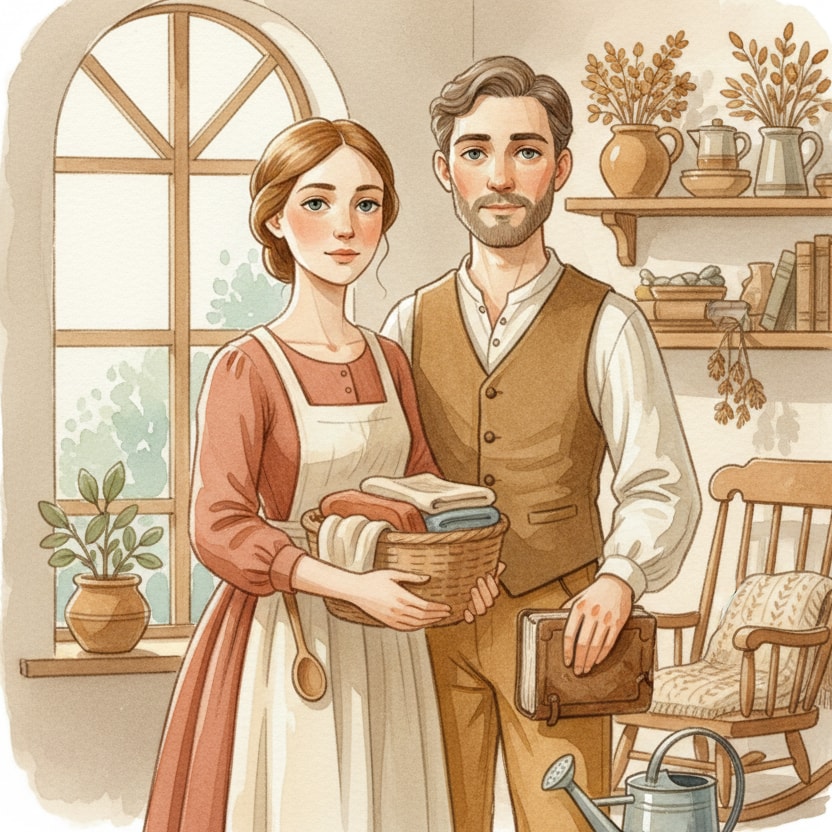
A parent may represent the actual relationship, an inherited voice, or a standard that still organizes choices long after childhood.
When family or childhood appears in a dream, the scene can feel older than the current story. Parents, siblings, childhood streets, and younger selves carry patterns that may still be active now.
Ask whether the dream repeats an old role or changes it. The most important detail is often not who appeared, but how old you felt beside them.
Family figures can carry inherited patterns: responsibility, rivalry, protection, absence, approval, or rebellion.
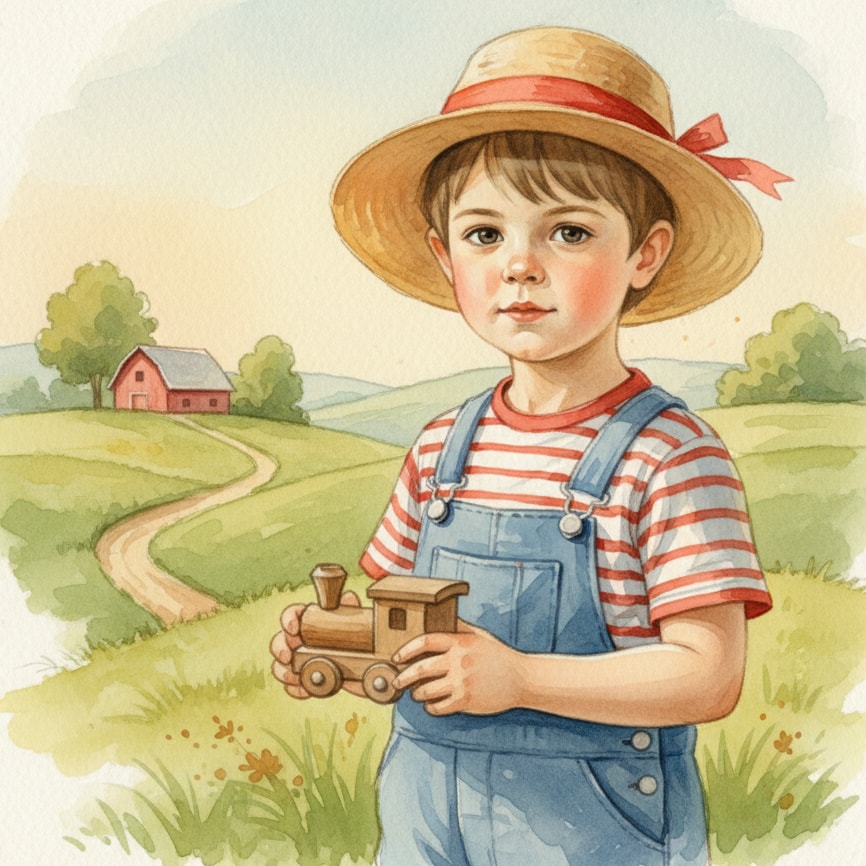
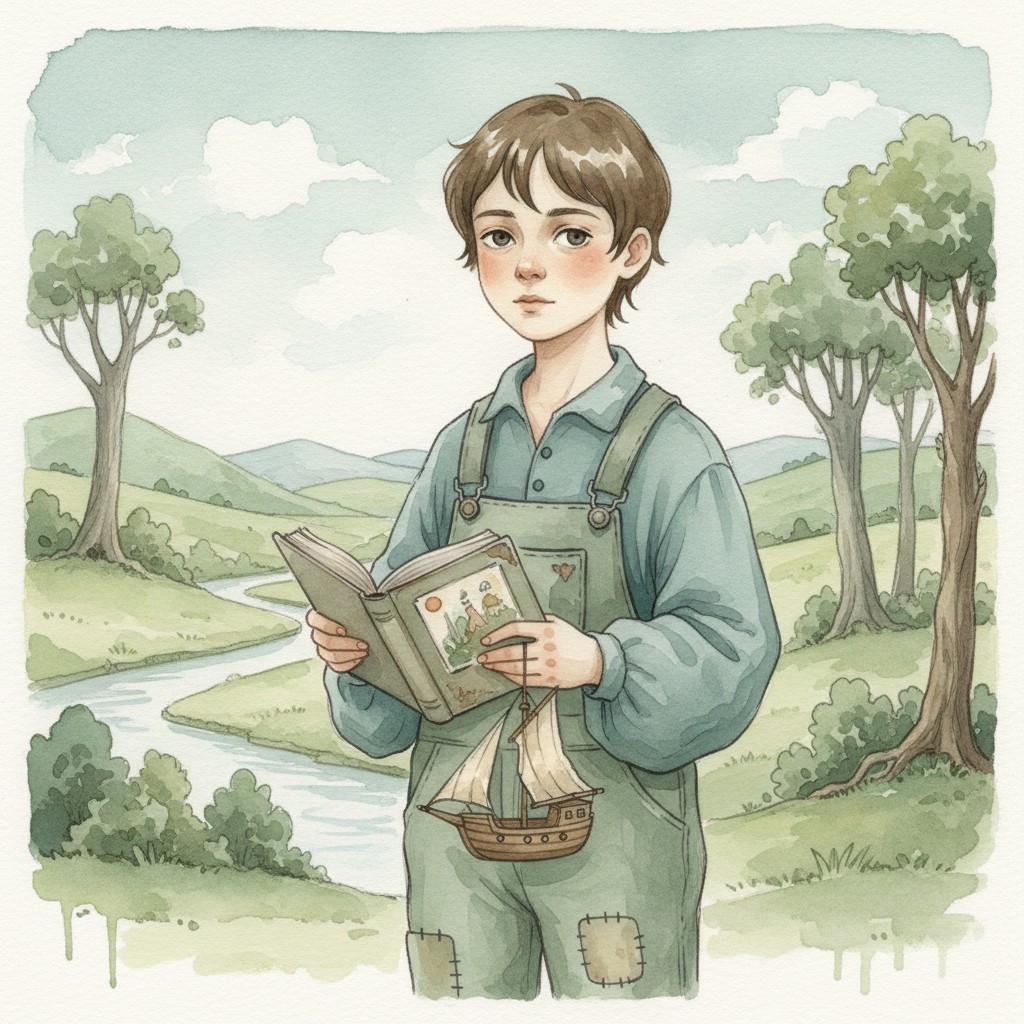
A child or childhood self may mark a need that was paused, protected, or left behind.
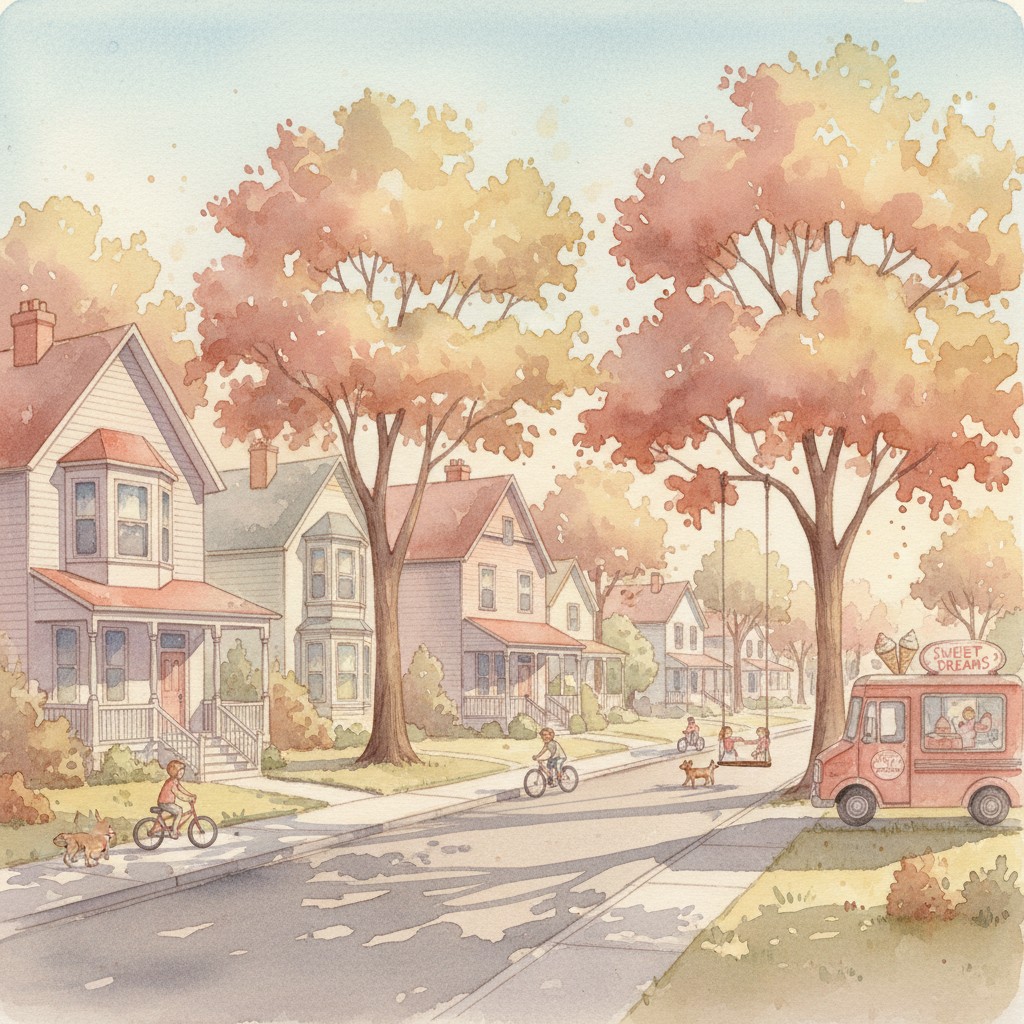
Neighborhoods and childhood rooms bring memory into the present so the dreamer can meet it differently.
Family dreams often bring an old emotional system into a current problem. The important clue is not only who appears, but how old you feel beside them.
A parent may represent the actual relationship, an inherited voice, or a standard that still organizes choices long after childhood.
Siblings can carry rivalry, protection, alliance, distance, or the memory of who received attention and who had to adapt.
Old places make memory spatial. Notice which rooms or streets are unchanged, and which have become unfamiliar.
A child version of yourself often marks a need, fear, playfulness, or sensitivity that was paused and is now asking to be met.
Write the dream in two timelines: what happened in the dream, and what age you felt while it happened.
Write how old you felt in the dream, then compare that age with the problem you are facing now.
No sign-in needed
Start writing in the browser. You can publish anonymously, then sign in later if you want to save and manage it.